
Power and heatCompare8 sources
Home Standby Generator vs Portable: Which Is Worth It?
How a home standby generator differs from a portable one: automatic transfer, natural gas or propane fuel, permits, placement and carbon monoxide safety.
We earn from qualifying purchases through links on this page. How we make money.
Quick reference5 facts
| Standby fuel (Briggs & Stratton) | Natural gas or liquid propane, from a utility line or a tank |
|---|---|
| Switching (Briggs & Stratton) | Automatic, with a gap of about 10 to 20 seconds; a portable takes 10 to 20 minutes or more to set up |
| Placement (Briggs & Stratton) | At least 5 feet from windows, doors and other wall openings, unless the maker's tested clearances say otherwise |
| Permits (CenterPoint Energy) | Electrical, plumbing and building permits, and HOA approval where needed; local rules vary |
| Carbon monoxide | Engine exhaust contains CO: keep CO alarms inside on every level |
On this page (6 sections)
A home standby generator is worth it if you lose power often, need heat, a sump pump or medical equipment to run without a gap, or cannot safely run a portable unit outdoors in a storm. It starts by itself on natural gas or propane. A portable generator needs no installation, but you fuel, place and connect it yourself.
How a home standby generator differs from a portable one
A home standby generator is a permanent appliance, while a portable generator is a tool you set up during an outage. Briggs & Stratton says standby generators run on natural gas or liquid propane and switch the power over automatically, while portables run on gasoline and the user refuels them as needed.
| Feature | Home standby generator | Portable generator |
|---|---|---|
| Starting | Automatic, through a transfer switch | By hand, in the storm |
| Fuel | Natural gas line or propane tank | Gasoline, or propane on dual fuel models |
| Refueling | Gas line: none; propane: tank refills | By hand, after it is off and cool |
| Connection | Wired into the panel | Extension cords or a transfer switch |
| What it powers | Chosen circuits or the whole house | What you plug in, within its wattage |
| Installation | A pad, permits, licensed trades | None for cord use |
| Self-test | Scheduled exercise runs | Run it yourself to check |
The transfer switch is the key difference. Briggs & Stratton says a standby unit moves the house from the utility line to the generator in about 10 to 20 seconds, with no action from anyone at home, while setting up a portable can take 10 to 20 minutes or longer. That matters in a winter storm at night: nobody has to carry a generator through snow or refuel it in freezing rain.
When a portable generator is enough
A portable generator is enough when outages are short and rare and you only need a refrigerator, a furnace fan, lights and phone charging. Our guide to portable generators for winter outages shows how to size one from appliance wattages and where CPSC says to place it.
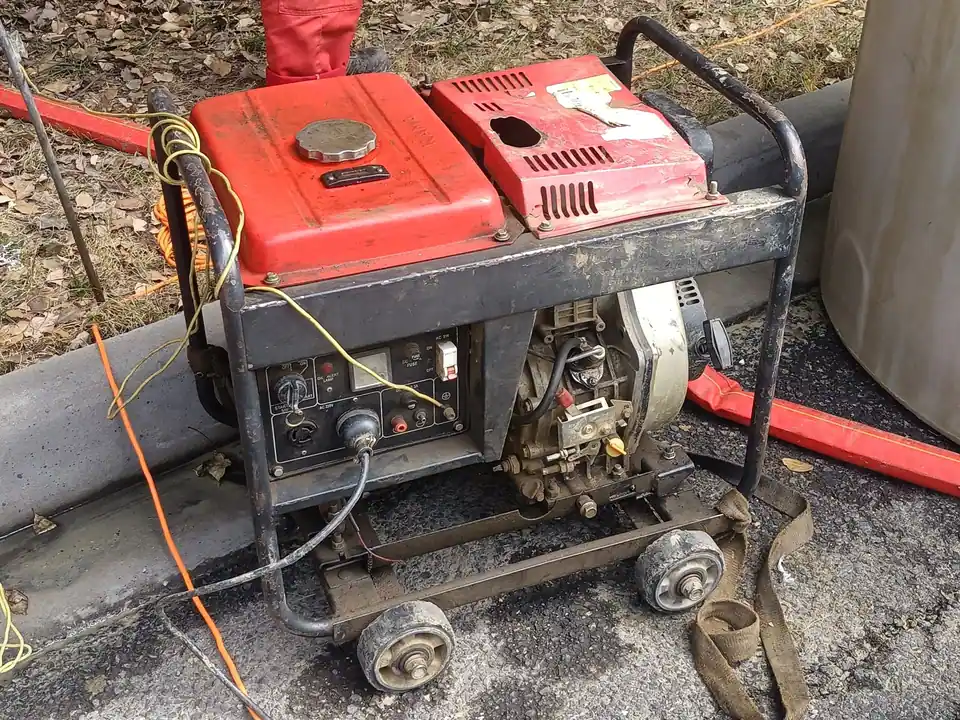
The trade-off is effort and risk. A portable has to sit outside, at least 20 feet from the house, in whatever weather the storm brings, and it needs refueling. If nobody at home can do that safely, the case for standby grows.
Either way, connecting to the house panel needs a transfer switch: see generator transfer switches.
Portable generators with CO shut-off
Live listings, shown by eBay
Opens eBay in a new tab. Check condition, seller feedback and returns.
How to size a home standby generator
Size a standby generator from the loads you want to run, not from the size of the house. Generac’s sizing guide says most homes need a unit sized around the appliances and systems they want to keep running during an outage, not square footage alone.
Installers offer two layouts:
- Essential circuits. You choose the circuits that matter, such as the furnace, refrigerator, well pump and a few outlets, and the transfer switch covers only those.
- Whole house with load management. Generac describes a load manager wired in line with high-draw appliances that pauses a lower-priority load when the generator nears overload, so everything else keeps steady power.
Motor loads drive the size. Generac says starting, or surge, wattage is often two to three times the running wattage, and suggests adding up the running watts plus the single biggest starting surge. Ask the installer for a written load calculation that lists both numbers.
Where a standby generator can go: clearances and permits
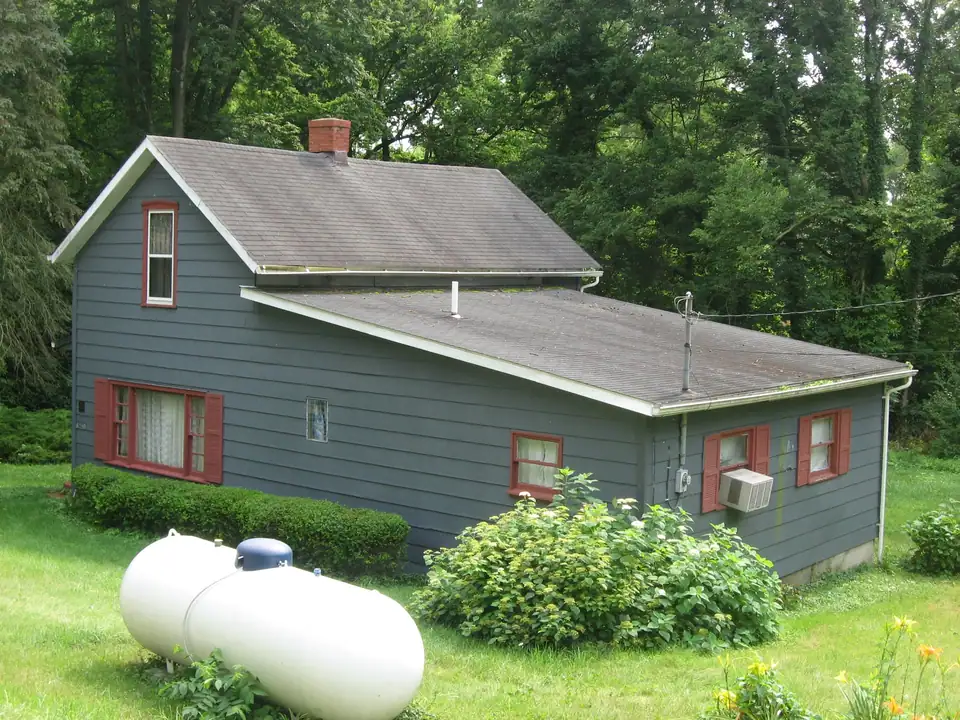
A standby generator sits outside on a pad, close to the gas meter or propane tank and the electrical panel. Briggs & Stratton says standards require all parts of a standby generator to sit at least 5 feet from windows, doors and other wall openings, and that some of its fire-tested models can sit as close as 18 inches to the structure itself. Generac says its reduced clearances apply only to models marked with the Southwest Research Institute (SwRI) logo, and that local codes take precedence over its guidance.
Installation is a job for licensed trades. CenterPoint Energy’s steps for a natural gas generator run from a site visit, through electrical, plumbing and building permits, a site survey and HOA approval where needed, to the plumber’s gas connection, the electrician’s generator and transfer switch work, and a final inspection. The gas utility may also need to upgrade the meter.
Home standby generators and transfer switches
Live listings, shown by eBay
Opens eBay in a new tab. Check condition, seller feedback and returns.
Carbon monoxide safety with a standby generator
A standby generator is safer than a portable one only when it is installed and kept as the maker intends. It still burns fuel, and its exhaust carries carbon monoxide. Generac’s clearance guidance tells installers to consider possible CO entry points beyond the required fire-safety distances, such as windows, doors and attic or soffit vents. A bedroom window just past the minimum distance is still a path for exhaust.
Keep snow clear and alarms working
Some places write the alarm rule into law. Jefferson Parish in Louisiana says that, from January 1, 2023, a standby generator installed outside triggers a requirement for CO alarms in each sleeping room and the living area, under the state’s building code amendments. Our carbon monoxide safety guide covers alarm placement and symptoms.
Carbon monoxide alarms for every level
Live listings, shown by eBay
Opens eBay in a new tab. Check condition, seller feedback and returns.
Upkeep that keeps a standby generator ready
A standby generator only helps if it starts on the day you need it. Most run a scheduled exercise cycle: Generac says its default is five minutes on Guardian series and newer models with a PowerZone 200 controller, and 12 minutes on its 7 kW PowerPact. Follow the owner’s manual for oil and filter changes, and book the dealer service it lists.
Fuel is the other check. On propane, the run time depends on what is in the tank, so fill it before winter rather than during a storm. On natural gas, the generator draws from the utility line, so it runs for as long as gas service continues.
If a standby unit is out of reach, plan around a portable generator and our winter power outage checklist. Keep the house warm while you wait with the tips in space heaters in a power outage. More guides are in the power outages section.
Frequently asked questions
Does a home standby generator turn on by itself?
Yes. A standby generator is wired to the house through an automatic transfer switch. Briggs & Stratton says it switches the power over with no action from the homeowner, with a gap of about 10 to 20 seconds. A portable generator has to be wheeled out, started and connected by hand, which Briggs & Stratton says can take 10 to 20 minutes or longer.
Can a standby generator cause carbon monoxide poisoning?
Yes. A standby generator burns natural gas or propane, and its exhaust contains carbon monoxide like any engine's. Generac tells installers to consider CO entry points beyond the required fire-safety distances. Keep snow off the exhaust and air vents, and have working CO alarms inside on every level.
Do I need a permit for a home standby generator?
Usually. CenterPoint Energy lists electrical, plumbing and building permits, a site survey and HOA approval where needed, followed by a final inspection in permitted areas. Some places, such as Jefferson Parish in Louisiana, also require CO alarms inside when one is installed.
How often does a standby generator run when the power is on?
Most run a short self-test called an exercise cycle on a schedule. Generac says the default exercise lasts five minutes on its Guardian series and its newer models with a PowerZone 200 controller, and 12 minutes on its 7 kW PowerPact.
What size home standby generator do I need?
Size it from the appliances and systems you want to keep running, not from square footage alone, as Generac advises. Generac suggests adding the running watts of those loads plus the biggest single starting surge. A load manager can let a smaller unit cover more by pausing lower-priority loads.
Sources
- Portable vs. Standby GeneratorsBriggs & Stratton Energy Solutions
- Determining the Best Location for Your Home GeneratorBriggs & Stratton Energy Solutions
- What Should I Know About Clearance Requirements When Installing My Generator?Generac
- Can I Change the Exercise Cycle Duration?Generac
- What Size Generator Do I Need?Generac
- Installing a Natural Gas Generator in Your HomeCenterPoint Energy
- Generator PermitsJefferson Parish, Louisiana
- Carbon Monoxide SafetyNational Fire Protection Association
Filed under Power and heatPart of Winter Power Outages: Generators, CO Alarms and Food Safety