
Power and heatStart here10 sources
Winter Storm Preparedness: Gear for Home, Car and Power Outages
How to prepare for a winter storm before, during and after it hits: what to stock, what to check and the gear for snow, power outages, the car and warmth.
We earn from qualifying purchases through links on this page. How we make money.
Quick reference5 facts
| Watch or warning | A watch means get ready; under a warning, find shelter right away (NWS, Ready.gov) |
|---|---|
| Water to store | One gallon per person per day for several days (Ready.gov) |
| Alarms | Battery or battery-backup CO alarms on every level, tested monthly (CPSC) |
| Car kit | Shovel, scraper, sand or cat litter, cables, flashlight, blankets, water and food (NHTSA) |
| Food in an outage | Up to 4 hours in a closed fridge, about 48 hours in a full freezer (USDA FSIS) |
On this page (7 sections)
Prepare for a winter storm before the forecast turns: stock several days of water and food, flashlights and a NOAA weather radio, test your carbon monoxide alarms, put a kit in the car and plan how you will stay warm and keep food cold without power. Then pick the snow tools that suit your driveway and your health.
Start with the part of the storm that worries you most. The checklists for the house and the car are also in the prepare section.
What is the difference between a winter storm watch, warning and advisory?
The National Weather Service (NWS) uses three levels of alert. They tell you how much time you have to finish getting ready.
| Alert | What the NWS says it means | What to do |
|---|---|---|
| Winter storm watch | Conditions are favorable for a significant winter storm event | Finish your kit and fuel up |
| Winter storm warning | A significant winter weather event of snow, ice, sleet or blowing snow | Stay home and off the roads |
| Winter weather advisory | Wintry weather is expected but not hazardous enough to meet warning criteria | Travel with care |
A blizzard warning means frequent gusts of 35 mph or more with snow cutting visibility below a quarter mile for three hours or more. An ice storm warning means ice of around a quarter inch or more. Ready.gov’s instruction under any warning is short: find shelter right away.
What should you do before the storm?
Most of the work happens here, while stores are open and roads are clear.
Build a home kit for several days without power. Ready.gov’s basic kit includes one gallon of water per person per day, a several-day supply of non-perishable food with a manual can opener, a flashlight for everyone, extra batteries, a first aid kit, a phone charger and backup battery, and a NOAA Weather Radio with tone alert. The NWS winter list adds extra prescription medicine, baby items and pet food.
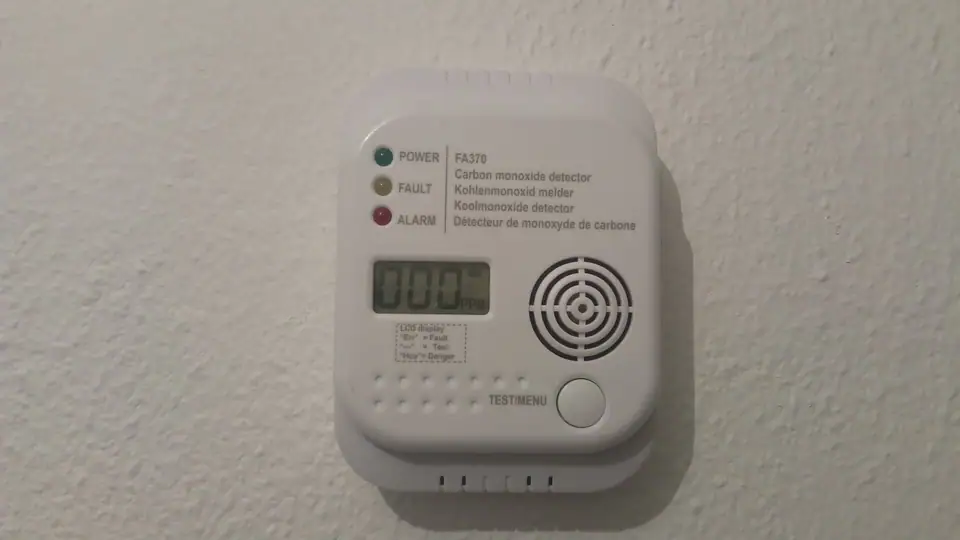
Check the house. Ready.gov suggests insulation, caulking and weather stripping. CPSC says to test carbon monoxide and smoke alarms monthly. If you heat with oil or propane, the NWS says to refuel before you run low, since deliveries may not reach you for days. Exposed plumbing needs attention now: see how to prevent frozen pipes.
Stock the car. Ready.gov’s short list is jumper cables, sand, a flashlight, warm clothes, blankets, bottled water and snacks, plus a full tank of gas. Our winter car emergency kit guide has the fuller NHTSA list.
Five checks before the first storm
- Alarms: a battery or battery-backup CO alarm on every level, tested monthly. Where to put them.
- Light: a working flashlight for each person, plus spare batteries.
- Alerts: a NOAA weather radio with a tone alarm and battery backup. What to look for.
- Water and food: one gallon per person per day and food that needs no cooking, for several days.
- The car: a scraper, a small shovel, sand or cat litter, blankets and a charged phone cable. The full list.
What should you do during the storm?
Ready.gov’s advice is to stay off the roads if at all possible, limit time outside and wear layers of warm clothing when you do go out. Watch for the signs of frostbite (numbness, white or grayish-yellow skin, firm or waxy skin) and hypothermia (shivering, confusion, fumbling hands, slurred speech or drowsiness).
If the power goes out, keep the fridge and freezer closed, unplug electronics and switch to flashlights. Our power outage checklist covers how long food stays safe, how to stay warm without heat and what to throw out afterward.
Carbon monoxide
CPSC says never to use a portable generator inside a home, garage, basement, crawlspace or shed, even with doors and windows open. Run it outside only, at least 20 feet from the house, with the exhaust pointed away. Ready.gov says never to heat your home with a gas stove or oven. Read our carbon monoxide safety guide before the storm.
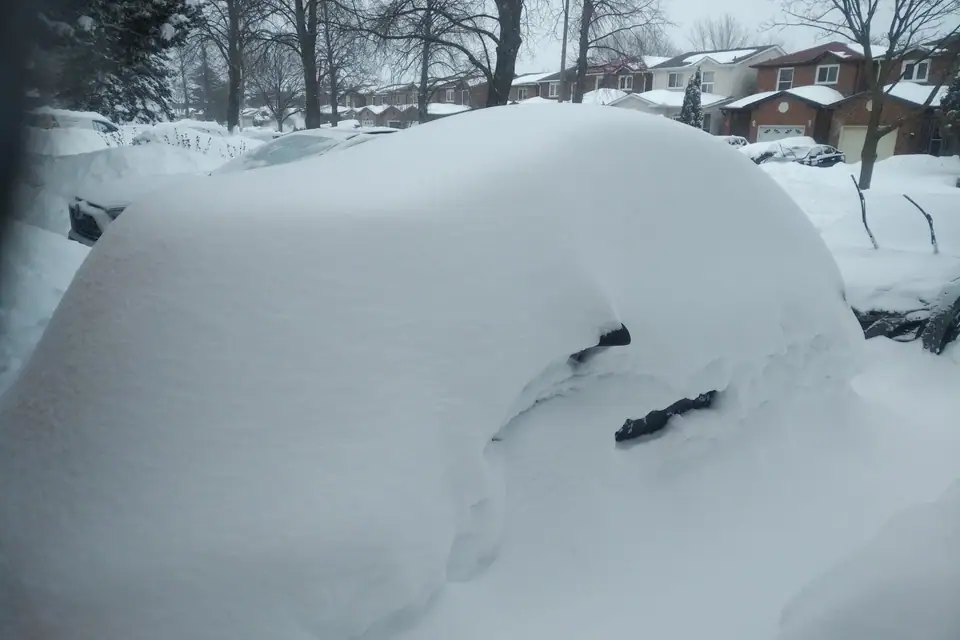
If you are caught in the car, Ready.gov says to stay inside. NHTSA adds three steps: make the car visible with bright markers and the dome light, keep the exhaust pipe clear of snow and run the engine only long enough to stay warm.
What should you do after the storm?
Clear snow without overdoing it. The American Heart Association (AHA) says to start gradually, take frequent breaks and push snow rather than lift it. Anyone with heart disease, or risk factors for it, should ask someone else to clear the snow and talk to a doctor before the first snowfall. Our snow shovel guide covers the AHA’s warning signs.
Clear the vents and the car. CPSC says to clear snow from the outside vents of furnaces and other fuel-burning appliances. The NWS says to check the exhaust pipe and brush all the snow off the car before you drive.
Check on neighbors and let family know you are okay, as the NWS suggests.
Which gear helps most for snow, power and cold?
Pick by the job in front of you:
- Snow and ice: a snow blower for long driveways and deep snow, a shovel or pusher for paths and steps, ice melt chosen for your concrete and pets, and a roof rake you use from the ground.
- Power and heat: carbon monoxide alarms first, then a portable generator that runs outdoors only and a space heater with tip-over and overheat shut-off. Battery power stations make no exhaust: Solar Home covers them in its guide to solar generators for home backup.
- Warmth: heated jackets, vests and gloves for long stretches outside, and fleece-lined pants or insulated snow pants for the legs. A hot water bottle needs no power at all: see Cosy Homeware’s hot water bottle guide.
Winter car kits, ice scrapers and emergency blankets
Live listings, shown by eBay
Opens eBay in a new tab. Check condition, seller feedback and returns.
Where should you go next?
 Power outage checklistFood safety, warmth and light when the power is out.
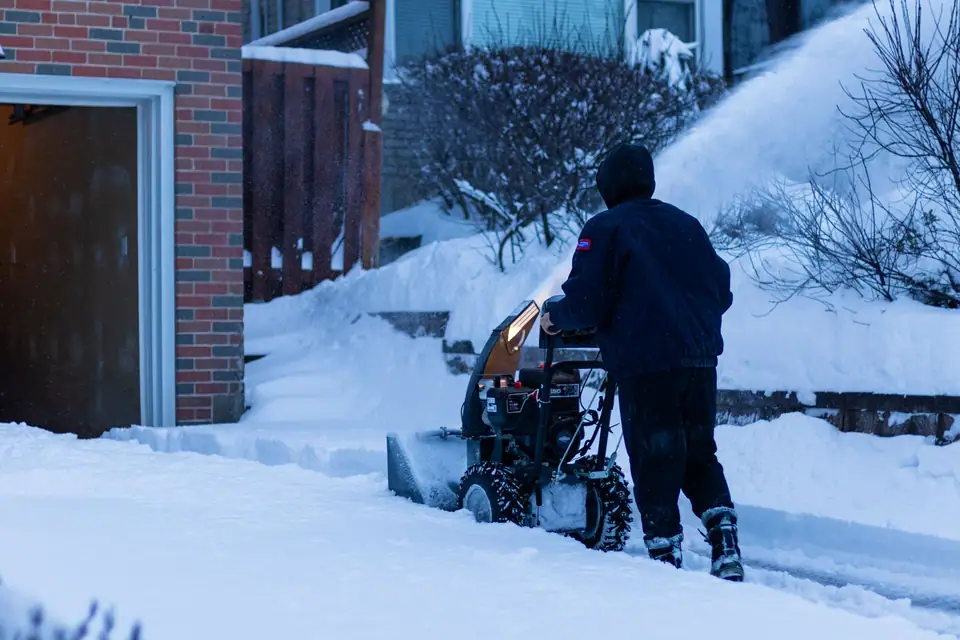 Single-stage or two-stage?Which snowblower suits your driveway and your snow.
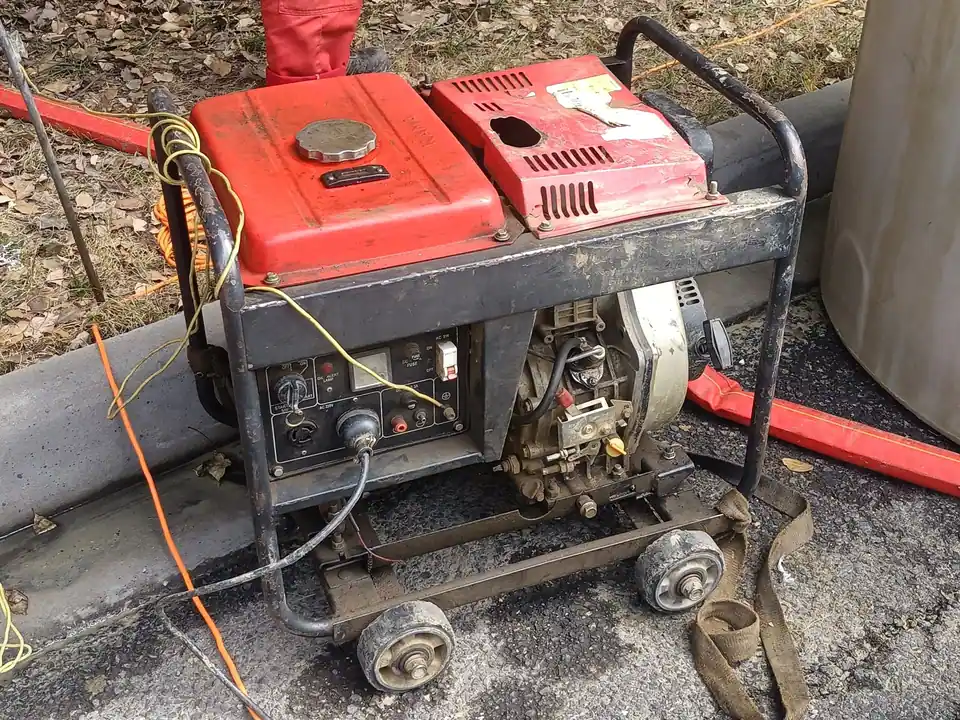 Portable generatorsHow to size one and where it has to sit.
 Winter storm giftsPractical picks for drivers, dog walkers and new homeowners.
Frequently asked questions
What should be in a winter storm kit?
Ready.gov's basic kit starts with one gallon of water per person per day for several days, a several-day supply of non-perishable food, a flashlight, extra batteries, a first aid kit and a NOAA Weather Radio with tone alert. The National Weather Service adds extra prescription medicine, baby items and pet food for winter.
Is a winter storm watch or warning worse?
A warning is more serious. The National Weather Service issues a watch when conditions are favorable for a significant winter storm, and a warning for a significant event of snow, ice, sleet or blowing snow. Ready.gov says to find shelter right away under a warning.
What should I buy before a winter storm?
Start with what keeps people safe: battery or battery-backup carbon monoxide alarms, flashlights and batteries, a NOAA weather radio, water and food for several days and a car kit. Snow tools and backup power come next.
Can I run a generator in the garage with the door open?
No. CPSC says never to use a portable generator inside a home, garage, basement, crawlspace or shed, even with doors and windows open. Run it outside only, at least 20 feet from the house, with the exhaust pointed away.
Should I stay in my car if I get stuck in snow?
Yes. NHTSA and the National Weather Service both say to stay with the vehicle. NHTSA adds to keep the exhaust pipe clear of snow and run the engine only long enough to stay warm.
Sources
- Winter Weather Watches, Warnings and AdvisoriesNational Weather Service
- Before a Winter StormNational Weather Service
- After a Winter StormNational Weather Service
- Winter Weather (last updated March 10, 2026)Ready.gov (FEMA)
- Build A KitReady.gov (FEMA)
- Power Outages (last updated June 4, 2026)Ready.gov (FEMA)
- Keep Your Food Safe During Emergencies (last updated Aug 7, 2013)USDA Food Safety and Inspection Service
- As Winter Storms Threaten Millions in the U.S., CPSC Issues Safety Tips to Help Families Prevent Carbon Monoxide Poisoning and Fires (December 12, 2025)U.S. Consumer Product Safety Commission
- Winter Weather Driving TipsNational Highway Traffic Safety Administration
- A snowstorm's a-brewing: be careful out there to stay heart-healthyAmerican Heart Association
Filed under Power and heatPart of Prepare for a Winter Storm: Home and Car Checklists