
Stay warmStart here2 sources
Snow Boots: Warmth, Waterproofing, Fit and Grip on Ice
How to choose snow boots that stay warm and dry: waterproofing, insulation, fit with winter socks, traction on ice, and the gaiters and cleats that help.
We earn from qualifying purchases through links on this page. How we make money.
Quick reference4 facts
| Check first | Waterproofing, insulation, fit and the sole |
|---|---|
| Fit | Try boots on with the socks you will wear in them |
| Deep snow (WTA) | Waterproof gaiters help keep feet and pants dry |
| Socks | Skip cotton, which loses its warmth when wet (WTA) |
On this page (4 sections)
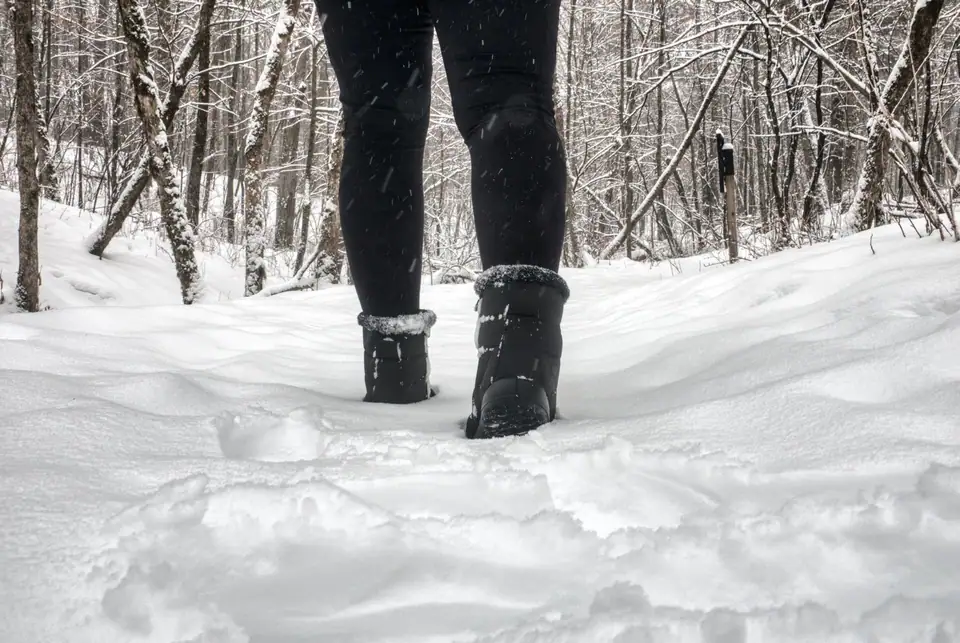
A good snow boot keeps feet dry, warm and upright. Look for a waterproof lower and seams, insulation for the cold you face, room for a warm sock without pinching, and a sole with deep lugs. For ice, a boot alone is rarely enough: add slip-on cleats. For snow over the boot top, add waterproof gaiters.
This section covers boots for snow and slush, for adults and kids, and the add-ons that make any boot work harder in a storm.
What makes a snow boot warm and dry
Warmth comes from insulation and from staying dry, since wet feet get cold fast. A waterproof boot keeps out melting snow and slush; a water-resistant one only slows it down. Check the height too: a taller shaft keeps snow out on unshoveled paths. The Washington Trails Association says waterproof gaiters help keep feet warm and dry, and keep pants dry too, when the snow is deeper than the boot.
Socks matter as much as the boot. WTA says cotton loses its warmth when wet and dries slowly, so pick winter socks that are not cotton and try boots on with them.
Fit, width and children’s sizes
Buy boots with room to wiggle your toes over a winter sock, and shop later in the day, when feet are at their largest. If you wear wide shoes, look for a boot sold in wide widths rather than sizing up in length. Children outgrow boots quickly, and a boot bought a size up for growth needs a thicker sock or an insole until it fits.
| What to check | Why it matters |
|---|---|
| Waterproof lower and seams | Dry feet stay warmer |
| Insulation | Matched to how cold your winters get |
| Room for a winter sock | Toes can move and stay comfortable |
| Deep, soft lugs on the sole | Grip on packed snow |
| Shaft height | Keeps snow out on deep paths |
Grip on ice and packed snow
A deep tread grips packed snow, but bare ice needs more. Ice cleats that stretch over boots add metal studs or coils for icy sidewalks and steps. Wind adds to the cold: the National Weather Service says exposed skin can freeze in 30 minutes at a wind chill of -19°F, so cover up when you head out to shovel or walk the dog.
Ice cleats and traction aids for boots
Live listings, shown by eBay
Opens eBay in a new tab. Check condition, seller feedback and returns.
Related guides for cold feet and icy walks
 Fleece-lined or snow pantsWhich pants suit hiking, shoveling or skiing.
 Ice melt for the stepsWhich deicer works in the cold, and which is kinder to pets.
 Winter storm giftsIce cleats for the dog walker, and more by person.
The rest of the cold-weather kit is in the winter clothing section.
Sources
- What to Wear on a Winter HikeWashington Trails Association
- Understanding Wind ChillNational Weather Service
Filed under Stay warm