
Power and heatStart here6 sources
Winter Heating: Space Heaters and Frozen Pipe Prevention
Keep a home warm and its pipes from freezing in a winter storm: space heater safety from CPSC and NFPA, and the Red Cross steps against frozen pipes.
We earn from qualifying purchases through links on this page. How we make money.
Quick reference4 facts
| Heater clearance (CPSC) | At least 3 feet from anything that can burn |
|---|---|
| Heater plug (CPSC, USFA) | Straight into a wall outlet, never an extension cord |
| Away from home (Red Cross) | Keep the heat at 55°F or higher |
| Thawing a pipe (Red Cross) | Hair dryer or heating pad, never an open flame |
On this page (3 sections)
Heat one room safely and keep the rest of the house above freezing. An electric space heater needs a testing-lab mark and automatic shut-off features, a wall outlet of its own and 3 feet of clear space, according to NFPA and CPSC. Protect pipes by insulating the exposed ones and keeping the thermostat steady, as the Red Cross advises.
The guides in this section cover the two heating jobs a storm brings: staying warm, and keeping the plumbing from freezing while you do.
Use a space heater safely in a storm
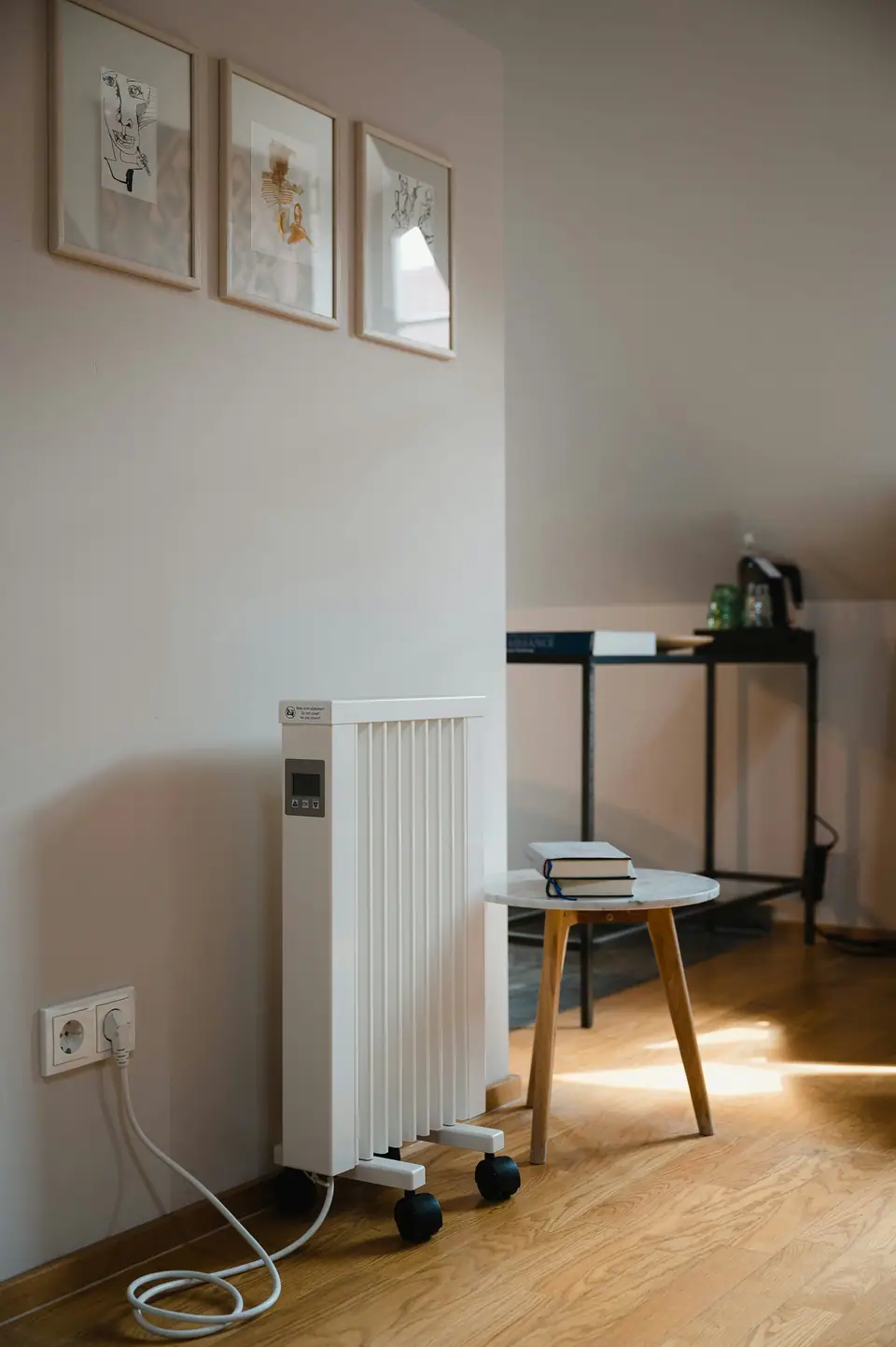
NFPA lists the features to look for: a testing-lab seal, a thermostat, overheat protection and automatic tip-over shut-off. CPSC says to keep a heater at least 3 feet from beds, sofas and anything else that can burn, and CPSC and USFA both say to plug it straight into a wall outlet, never an extension cord or power strip. Champion lists 750 to 1,500 running watts for a space heater, which is a large load for a generator or battery. Space heaters in a power outage covers powering one and what CPSC allows for indoor-rated propane heaters.
| Check | What to look for | Source |
|---|---|---|
| Safety features | A testing-lab seal plus overheat and tip-over shut-off | NFPA |
| Clearance | 3 feet from anything that can burn | CPSC |
| Power | Straight into a wall outlet | CPSC, USFA |
Space heaters with tip-over and overheat shut-off
Live listings, shown by eBay
Opens eBay in a new tab. Check condition, seller feedback and returns.
Keep pipes from freezing
The Red Cross says the pipes most at risk are outdoor hose bibs, pipes in unheated spaces and pipes on poorly insulated exterior walls. Its first step is to insulate exposed pipes. Drain and disconnect garden hoses before the freeze. In hard cold, keep garage doors closed, open sink cabinets so warm air reaches the plumbing, and let a faucet on exposed pipes drip. Keep the thermostat at the same setting day and night. Away from home, it says to keep the heat at 55°F or higher.
If you use heat tape, CPSC says to apply it directly on the pipe, never over insulation, and to plug it into a grounded, GFCI-protected outlet. To thaw a frozen pipe, the Red Cross suggests a hair dryer, a heating pad or hot towels, never a blowtorch or open flame. How to prevent frozen pipes has the full steps.
Heating guides at a glance
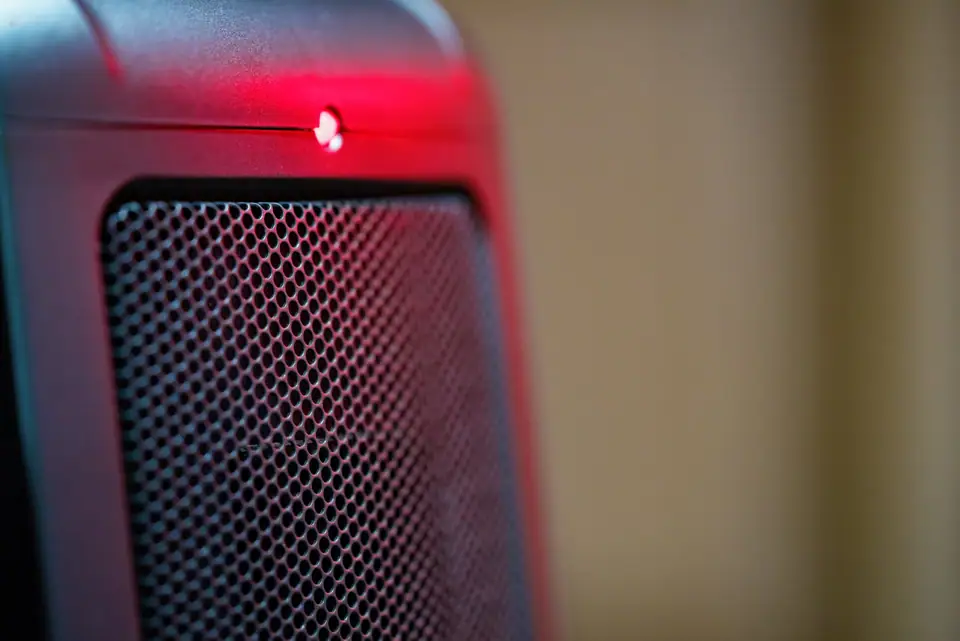 Space heaters in an outageThe safety features to look for, and how to power one.Photo: Tony Webster / Wikimedia Commons, CC BY 2.0
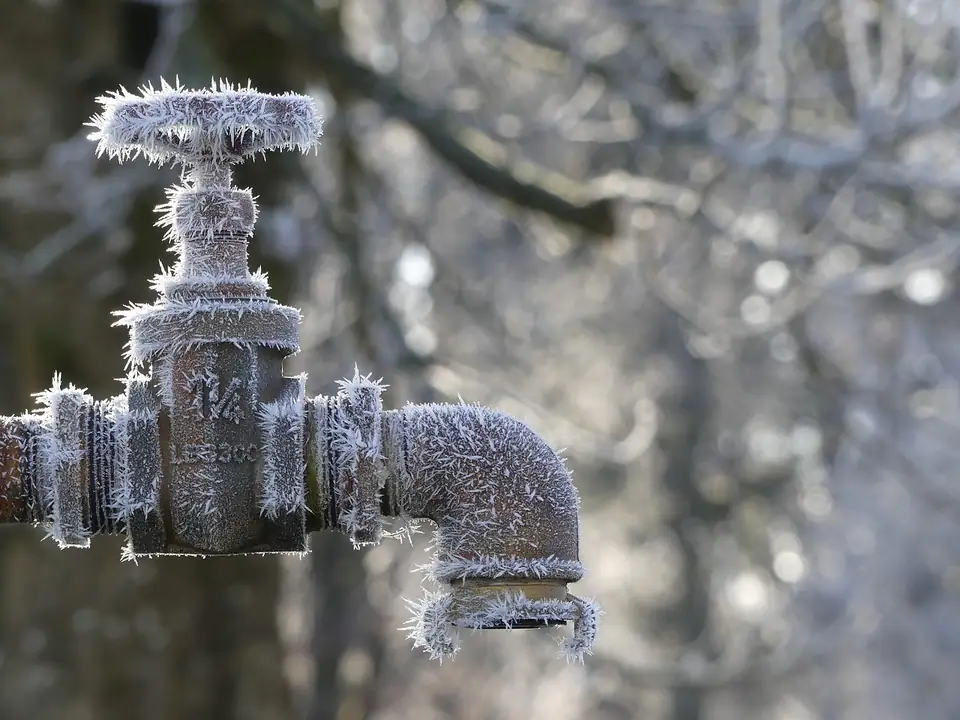 Prevent frozen pipesWhich pipes freeze first and how to thaw one safely.
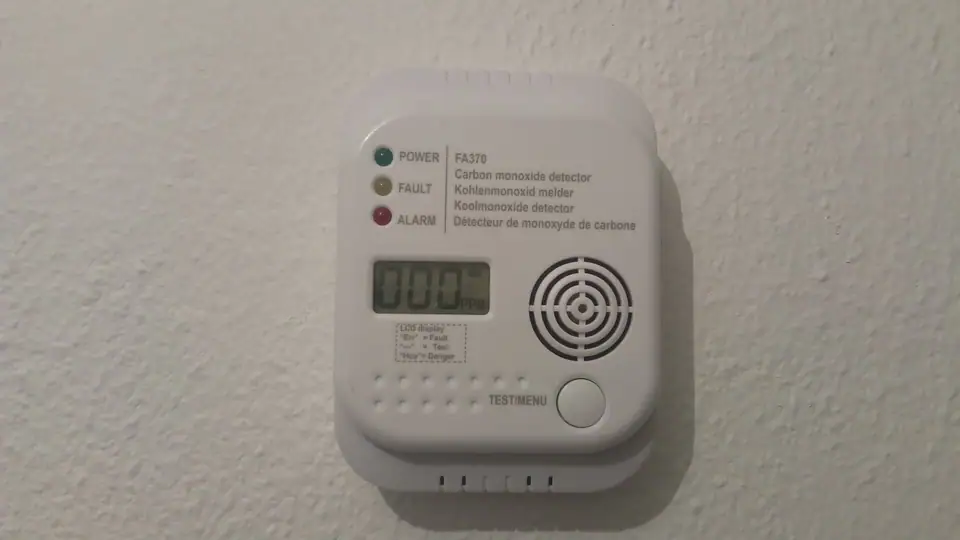 Carbon monoxide alarmsWhere CO alarms go, and what to do if one sounds.
When the power is out, start with the power outages section.
Sources
- Reducing Fire Hazards for Portable Electric HeatersU.S. Consumer Product Safety Commission
- Electric Portable Space Heater Safety tip sheetNational Fire Protection Association
- Heating Fire SafetyU.S. Fire Administration
- Generator Wattage Chart: Common Appliances and ToolsChampion Power Equipment
- Frozen PipesAmerican Red Cross
- CPSC Re-Issues Heat Tape Guidelines In Wake Of Zoo FireU.S. Consumer Product Safety Commission
Filed under Power and heat