
Power and heatStart here9 sources
Prepare for a Winter Storm: Home and Car Checklists
Get ready before a winter storm hits: what to stock at home, what to test, what to keep in the car, and what a watch or a warning means.
We earn from qualifying purchases through links on this page. How we make money.
Quick reference4 facts
| Watch or warning (NWS, Ready.gov) | A watch means get ready; under a warning, find shelter right away |
|---|---|
| Water to store (Ready.gov) | One gallon per person per day for several days |
| If stranded in a car (NHTSA, Ready.gov) | Stay with the car |
| Fuel (NHTSA) | Keep the tank close to full |
On this page (4 sections)
Prepare for a winter storm before the forecast turns. At home, stock several days of water and food plus a NOAA weather radio, and test your carbon monoxide alarms. In the car, keep a kit for getting unstuck and for waiting out a stranding, and keep the tank close to full. Then plan for heat without power.
This section holds the two checklists to work through before storm season: one for the house and one for the car.
Get the house ready before the storm
The National Weather Service and Ready.gov separate a watch from a warning: a watch means get ready, and under a warning you should find shelter right away. Ready.gov says to store one gallon of water per person per day for several days. CPSC advises battery-operated or battery-backup CO alarms on every level of the home, tested monthly. The winter storm preparedness checklist covers each stage of the storm, with links to the gear for each step.
| Before the storm | Why |
|---|---|
| Water for several days | One gallon per person per day (Ready.gov) |
| Flashlights and a weather radio | Light and warnings without power |
| Tested CO alarms | Generators and heaters add carbon monoxide risk |
| A car kit and a full tank | Help may take a while to reach a stranded car |
Build a car kit for snow and ice
A winter car kit covers two jobs: getting unstuck and staying safe if you are stranded. NHTSA, Ready.gov and the National Weather Service list a shovel, an ice scraper, sand or cat litter, jumper cables, a flashlight, blankets, water, food, a first aid kit and a phone charger. If you are stranded, both NHTSA and Ready.gov say to stay with the car. The National Weather Service says to run the engine about 10 minutes each hour for heat, with the exhaust pipe cleared of snow. The winter car emergency kit goes through each item.
Winter car emergency kits
Live listings, shown by eBay
Opens eBay in a new tab. Check condition, seller feedback and returns.
When the storm arrives
Once the storm is overhead, the plan turns into a few rules. Stay off the roads if you can. If the power goes out, keep the fridge and freezer shut: USDA FSIS says a closed fridge keeps food safe for up to 4 hours and a full freezer for about 48. Ready.gov says never to heat the house with a gas stove or oven, and to throw out food that reached 40°F or higher for two hours or more. The power outages section covers generators and CO alarms in detail.
Storm guides at a glance
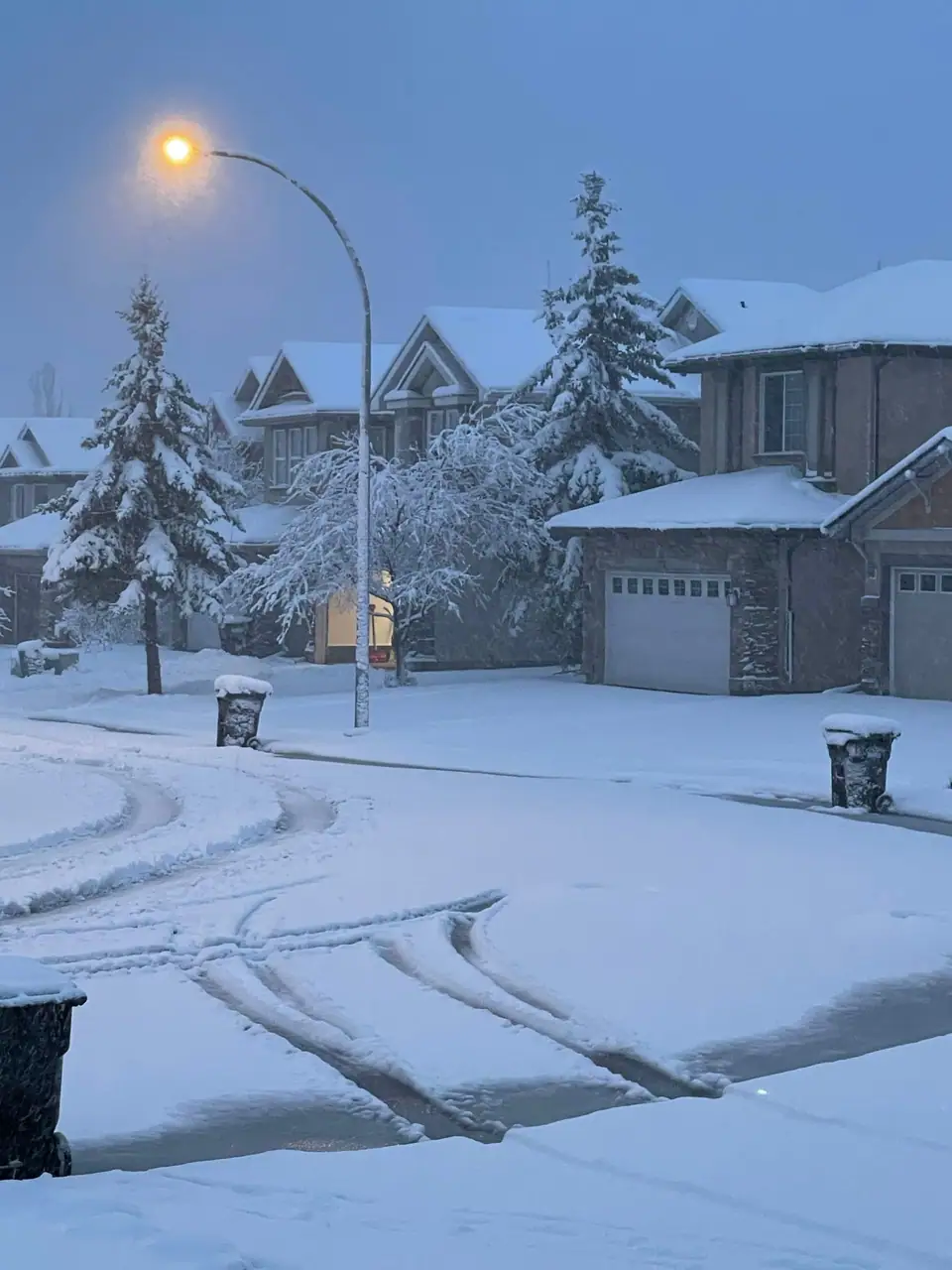
 Storm preparednessWhat to stock and test, stage by stage.
 Car emergency kitItem by item, plus what to do if you are stranded.
 Power outagesThe outage checklist plus generator and CO alarm guides.
For snow tools, see the snow and ice section.
Sources
- Winter Weather Watches, Warnings and AdvisoriesNational Weather Service
- Winter WeatherReady.gov (FEMA)
- Build A KitReady.gov (FEMA)
- Winter Weather Driving TipsNational Highway Traffic Safety Administration
- Car SafetyReady.gov (FEMA)
- Keep Your Food Safe During Emergencies (last updated Aug 7, 2013)USDA Food Safety and Inspection Service
- Power OutagesReady.gov (FEMA)
- During a Winter StormNational Weather Service
- As Winter Storms Threaten Millions in the U.S., CPSC Issues Safety Tips to Help Families Prevent Carbon Monoxide Poisoning and FiresU.S. Consumer Product Safety Commission
Filed under Power and heat