
Snow and iceAnswer6 sources
Ice Melt vs Rock Salt: Which Is Safe for Concrete, Pets and Plants
Rock salt vs calcium chloride, magnesium chloride and pet-safe ice melt: working temperatures, concrete damage, pets and plants, from extension and vet sources.
We may earn a commission when you buy through links on this page. Listings and prices come from our partners and change often. How we make money.
Quick reference4 facts, sourced below
| Rock salt lower limit | 18°F (University of Maryland Extension); above 15°F (Iowa State) |
|---|---|
| Coldest-working common deicer | Calcium chloride, to -22°F (UMD) or -20°F (Iowa State) |
| New concrete | Sodium and calcium chloride are particularly damaging to newly poured concrete (UMD) |
| Pet-friendly ice melts | Typically urea or magnesium chloride, and can still upset a pet's stomach (ASPCA) |
On this page (7 sections)
Rock salt is the cheapest deicer, but University of Maryland Extension lists its minimum working temperature at 18°F and marks it as harmful to concrete, metal and plants. Calcium chloride and magnesium chloride keep working well below zero. No deicer is harmless to pets or new concrete, so use as little as possible and shovel first.
What is the difference between ice melt and rock salt?
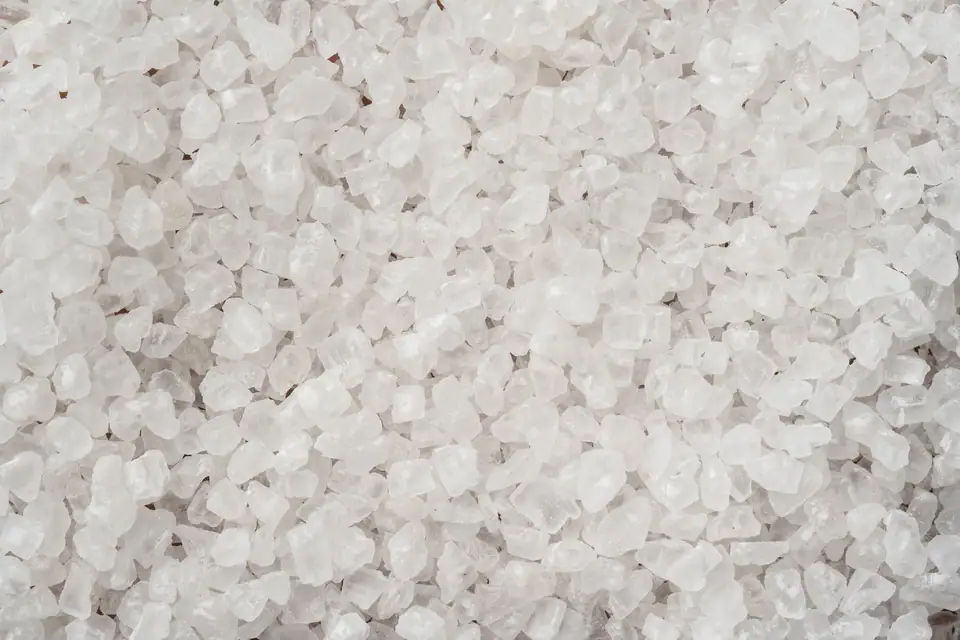
Rock salt is sodium chloride, the same compound as table salt, sold in coarse crystals. “Ice melt” is a looser label on bags that usually contain calcium chloride, magnesium chloride, potassium chloride or blends. UNH Extension lists six common types, including calcium magnesium acetate (CMA) and urea.
All of them work the same basic way. They dissolve into a brine that freezes at a lower temperature than plain water, so ice turns to slush. Purdue Extension adds that calcium chloride gives off heat as it dissolves, which lets it melt at lower temperatures.
How cold can each deicer work?
Sources give slightly different numbers, so the table shows two extension figures side by side. Plan around the warmer one.
| Deicer | Minimum working temp (UMD Extension) | Iowa State Extension | Damages concrete and metal? (UMD) | Harms plants? (UMD) |
|---|---|---|---|---|
| Sodium chloride (rock salt) | 18°F | Most effective above 15°F | Yes | Yes |
| Potassium chloride | 25°F | Not given | OK on old concrete | Moderately |
| Magnesium chloride | -13°F | -13°F | No | Moderately |
| Calcium chloride | -22°F | -20°F | Yes | Yes |
| Calcium magnesium acetate (CMA) | Not listed | About -15°F | Not listed | Not listed |
UMD also rates speed: magnesium chloride very fast, calcium chloride fast, sodium chloride moderate and potassium chloride slow. UNH Extension gives calcium chloride an even lower limit of -25°F.
The practical takeaway: rock salt does little on the coldest nights. Calcium chloride or magnesium chloride keeps working when temperatures drop below the teens.
Which ice melt is safest for concrete?
UMD Extension says sodium and calcium chloride are particularly damaging to newly poured concrete. It adds that neither should be applied to brick or stone surfaces. Iowa State Extension calls calcium chloride highly corrosive to concrete and metals, and Purdue Extension says sodium chloride can damage metal and concrete.
In UMD’s table, magnesium chloride is the one chloride marked as not damaging concrete and metal. Potassium chloride is marked OK on old concrete. Iowa State says CMA is less corrosive than deicing salts.
For new concrete, the safest approach from these sources is traction instead of chemistry. UMD suggests sand, ashes or kitty litter to improve traction on icy areas.
Is ice melt safe for pets?
Not entirely, even when the bag says pet-safe. The ASPCA lists sodium chloride, potassium chloride, calcium chloride and magnesium chloride as common ice melt ingredients. It says pets get exposed by licking their feet after walks, eating treated snow or eating the product from the bag.
The American College of Veterinary Pharmacists says deicing salts can cause skin irritation, burns and cracks on paw pads. Vomiting is most often the first sign of toxicity after a pet swallows them. The ASPCA adds that high sodium levels can cause tremors and seizures, and calcium chloride products can cause mouth ulcers.
What about “pet-safe” labels? The ASPCA says pet-friendly ice melts typically contain urea or magnesium chloride, but they can still cause stomach upset.
The ASPCA’s prevention steps:
- Keep dogs from eating salt or treated snow.
- Wipe paws right away with a damp cloth or baby wipe.
- Use paw wax or booties for sensitive paws.
- Store ice melt where pets can’t reach it.
If your pet eats ice melt
Does ice melt kill plants and grass?
It can, especially where salty slush piles up. Iowa State Extension says salt in the soil causes a kind of drought, blocks nutrients and builds up toxic ions. Symptoms include stunted growth, marginal leaf scorch, early fall color and twig dieback.
UMD marks sodium and calcium chloride as harmful to plants, and magnesium and potassium chloride as moderately harmful. Iowa State says magnesium chloride is less damaging to plants than rock salt. Purdue says CMA causes little impact on plants.
Purdue lists dogwood, crabapple and viburnum among salt-sensitive plants. Black walnut and silver maple are more tolerant. Iowa State advises against piling salt-laden snow near plants and suggests watering in spring to flush the salt out. UMD recommends soaking the affected area with 1-inch applications of water three to four times in spring.
How do you use less ice melt?
These steps come from the extension sources above.
- Clear snow first. Purdue says deicers should make snow removal easier, not melt all the snow. Shovel the slush away once it loosens. Our snow shovel guide compares pushers and ergonomic shovels, and our guide to single-stage vs two-stage snow blowers covers machines for bigger storms.
- Apply before ice forms. UMD says ice melt works best spread thinly and evenly before ice forms.
- Use less than the label says. UMD advises following the maker’s directions and using even less if possible.
- Stretch it with sand. Iowa State says 50 pounds of sand mixed with one pound of salt works effectively.
New pet-friendly ice melt, calcium chloride and spreaders on eBay
Shop the range
Browse current ice melt and spreaders on eBay, new condition only.
Shop ice melt and spreadersOpens eBay in a new tab. Check condition, seller feedback and returns on the listing.
Which should you buy?
For mild winters and older concrete, rock salt is the budget choice. For nights below the teens, calcium chloride works coldest, but it is the harshest on concrete and plants. Magnesium chloride is the middle ground in UMD’s table: very fast, working to -13°F and not marked as damaging concrete. With pets, pick a urea or magnesium chloride product and still wipe paws.
A small bag of sand or kitty litter also belongs in the car for traction. Our winter car emergency kit guide covers the rest of what to carry, and the winter storm preparedness guide covers the home.
Frequently asked questions
Is ice melt better than rock salt?
It works at colder temperatures. University of Maryland Extension lists rock salt's minimum working temperature at 18°F, against -13°F for magnesium chloride and -22°F for calcium chloride. Rock salt is the cheapest option, according to UNH Extension.
What ice melt is safe for concrete?
University of Maryland Extension marks magnesium chloride as not damaging concrete and metal, and potassium chloride as OK on older concrete. It says sodium and calcium chloride are particularly damaging to newly poured concrete and should not go on brick or stone.
Is pet-safe ice melt really safe for dogs?
Safer, not harmless. The ASPCA says pet-friendly ice melts typically contain urea or magnesium chloride but can still cause stomach upset, so wipe your dog's paws after walks and keep bags out of reach.
Does rock salt kill grass and plants?
It can. Iowa State Extension says salt in the soil causes stunted growth, leaf scorch, early fall color and twig dieback, and University of Maryland Extension marks sodium chloride as harmful to plants.
At what temperature does rock salt stop working?
University of Maryland Extension puts its minimum working temperature at 18°F. Iowa State Extension says sodium chloride is most effective above 15°F.
Sources
- Melting Ice SafelyUniversity of Maryland Extension
- Using Deicing Salts in the Home LandscapeIowa State University Extension and Outreach
- Deicer's Impact on Your LandscapePurdue Extension
- Breaking the IceUNH Cooperative Extension
- Keeping Pets Safe during Winter: The Dangers of Ice MeltsASPCA
- De-Icing SaltsAmerican College of Veterinary Pharmacists
Filed under Snow and icePart of Winter Storm Preparedness: Gear for Home, Car and Power Outages